
1
Start earlier than you think
Packing always takes longer than expected. Start with the least-used spaces first, like storage areas, guest rooms, or seasonal closets.
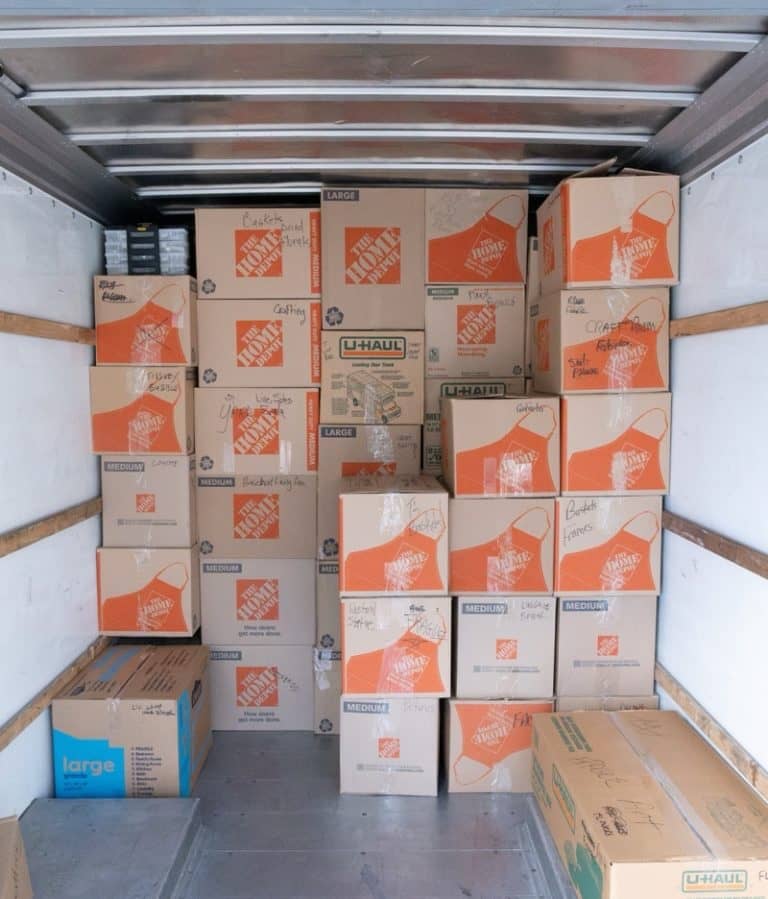
Packing well can save time, protect breakables, and make moving day feel a lot less rushed. In this guide, we share practical packing tips for moving based on what helps real households stay organized from the first box to the first night in the new place.
We're a full-service moving company serving Utah, and these tips are useful whether you are packing yourself or working with our residential crews.
Get help before moving day if you want a simple packing plan.
Packing plan
Request packing guidance

A good packing job starts before the first roll of tape. This short setup phase saves boxes, time, and energy.
Packing always takes longer than expected. Start with the least-used spaces first, like storage areas, guest rooms, or seasonal closets.
Assign small goals to each day. One room, one closet, or one shelf at a time is easier than a full-house sprint.
Do not pay to box, carry, and unpack things you no longer want. Fewer items means fewer boxes, less tape, and less moving-day stress.
Write down what you need before shopping. Include box sizes, tape, markers, packing paper, wrap, labels, and specialty boxes for TVs or dishes.
Sort items before they ever reach a box. That step keeps you from mixing useful things with items you meant to get rid of.

Room by room packing is one of the easiest ways to stay sane during a move.
Finish the kitchen before starting the bathroom. Finish the bedroom before starting the closet. Mixing rooms creates confusion later.
Group everyday items with everyday items. Keep cleaning products with cleaning products. Keep cords with the electronics they belong to.
Books, canned goods, tools, and dishes belong in smaller boxes. Large heavy boxes are harder to carry and more likely to split.
Put screws, bolts, and brackets in labeled bags. Tape the bag to the item or place it in one clearly marked parts box.
Snap a few pictures of shelves, cords, bed frames, and TV setups. Reassembly goes much faster when you have a visual reference.

Fragile boxes fail for simple reasons. Too much empty space, not enough padding, or rushed wrapping.
Dishes, glassware, lamps, and decor should not touch each other directly. Wrap each item before it goes in the box.
Packing paper works well for dishes, bowls, glasses, and framed decor. Add bubble wrap where you need extra cushion or edge protection.
Put soft padding under the first layer and over the last layer. That helps protect items from bumps during loading and unloading.
Boxes with open space let items shift. Use crumpled paper, towels, or soft wrap to keep everything snug.
Do not count on one top label. Write fragile on several sides so the box is easier to spot from any angle.
Fragile packing rules:
This kind of preparation reflects what people want from movers too, careful handling, organized loading, and fewer surprises on arrival.

A smart move is not just about loading. It is about what you can reach first.
First night
Your essentials box should hold toiletries, chargers, medications, paper towels, snacks, basic kitchen items, and one change of clothes.
Open first
Do not bury these in the truck. Carry them in your car or personal bag.
Write open first in large letters. Put those boxes near the door or in an easy-to-reach part of the load.
Do not load deep
Rolling suitcases are great for shoes, books, kids' items, and folded clothes. They are easier to move than overloaded boxes.
List the boxes and items you know you will want right away. That helps you find them fast after arrival.
If you want a wider moving packing checklist for utilities, timeline, and move-day tasks, use the complete moving checklist.
Some people want to pack everything themselves. Some want help with the hardest parts.
Optional packing help can make sense if you are short on time, handling a lot of fragile items, or packing a larger home. If packing help is needed, you can let us know. An on-site visit may be used to discuss packaging items needed, such as boxes, tape, packing paper, wardrobe boxes, and similar supplies.
If you are comparing support options, compare residential moving help or ask about packing help when you request your move.
DIY packing:
Optional packing help:


Good packing helps the whole move run better.
We handle furniture carefully, show up on time, place items where they belong, and keep working without close supervision. On some jobs we also remove packaging after delivery. That is why smart packing matters before the truck is even loaded.

Get the full timeline for decluttering, utilities, paperwork, and moving-day prep.
See what help looks like if you want a crew to carry out the plan.
Compare supplies, labor, and budget factors before you buy boxes or book labor.
Pack earlier, protect breakables, label clearly, and make your first night easier. If you want help applying these packing tips for moving, we can talk through your next step and help you decide what level of support makes sense.