
Before movers arrive
- Walk dogs early.
- Feed a normal meal, unless travel plans call for a lighter routine.
- Put pets in a closed room, crate, or with an off-site sitter.
- Place a note on the pet room door so everyone respects it.

Family moving tips
Moving with pets gets easier when the day has a plan. A steady routine, a safe space, and fewer surprises can make a big difference.
We handle the household move, not pet transport. You focus on your pet’s comfort. We handle the heavy lifting.
Request a residential moving quoteFree quote
Get a Free Moving Quote
Share a few details and we will follow up with quote guidance.
Local and interstate household moves across Utah.
Pets read the home through routine, scent, and sound. Packing changes all three.
Routine shifts feel big
Meals, walks, naps, and quiet time can all move around at once.
Noise raises stress
Tape guns, boxes, footsteps, and movers coming in and out can feel overwhelming.
Open doors create risk
A safe pet move depends on controlling exits all day.
Dogs and cats react differently
Moving house with dogs often brings pacing, clinginess, or barking. Moving with cats often brings hiding, skipped meals, or extra caution.
The good news is simple. The earlier you plan, the calmer moving day usually feels.
For broader planning help, review the moving checklist masterplan and see 20 practical packing tips.

Your pet essentials kit moving plan should be separate from the rest of the house.
A familiar blanket or toy can help lower stress fast. For more packing help, see 20 practical packing tips.
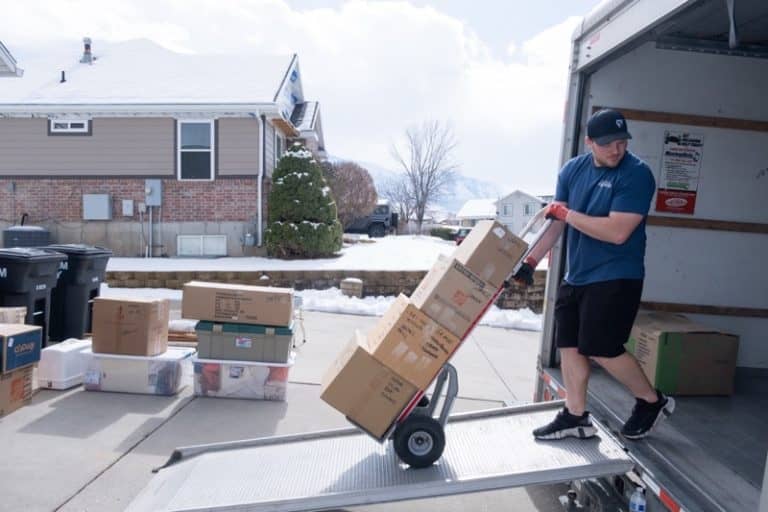
Keep your pet away from open doors and high traffic. That is the biggest moving day pet safety priority.
Do this
Use one safe room and one point person.
Not that
Let everyone assume someone else is watching the pet.
If moving with pets has you juggling too much at once, request a residential moving quote.
Start your pet in one room with familiar items. Set out food, water, bedding, and litter right away. Keep the house quiet and let them settle before exploring.
Bring back regular walks, meals, and sleep times as closely as you can. Moving with cats often goes better when they gain access slowly. Moving house with dogs often goes better when they get structure fast.
Most common first-day mistake: Giving pets full-house freedom too soon. New doors, garages, and yard boundaries can cause confusion.
If you are managing kids too, get family moving tips for kids.

When you hire residential movers, you free up time for routines, safe-room setup, and arrival planning.
Loading support: Movers handle household goods, lifting, and truck organization.
Less traffic chaos: Clear loading flow can make the house feel more controlled.
Better arrival focus: You can focus on pet setup before unpacking everything else.
Clear scope: This help is for the household side of the move, not pet transport.
We're a full-service moving company based in North Salt Lake serving Utah statewide plus inbound and outbound interstate moves.
If you are comparing Utah movers or home movers for a family move, start here:
You can also explore Utah service areas, connect with the North Salt Lake moving team, review Davis County moving services, or visit Salt Lake County moving services.

A full move usually affects more than one routine at once. These family moving tips can help you stay organized.

Help children handle change with clearer routines and calmer moving-day expectations.
Keep your timeline, utilities, packing, and moving-day tasks in one plan.
Pack faster, label better, and keep first-day boxes easier to find.
Questions about the household side of moving with pets? Contact Anywhere Movers Utah
A calmer move comes from splitting the job the right way. You handle your pet’s routine and comfort. We handle the household move.
We support moves across Utah, plus inbound and outbound interstate household relocations from North Salt Lake.
You can also explore Utah service areas.